

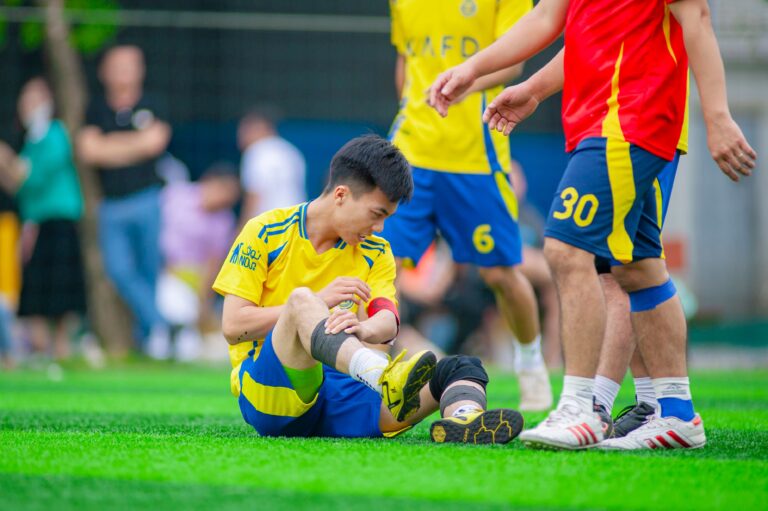
Some injuries occur suddenly, such as twisting an ankle or straining a muscle. Others develop gradually from repetitive movements, overuse, or inadequate recovery.
When pain begins interfering with your favorite activities, you may wonder: Can chiropractic care help with sports injuries?
The answer depends on the type of injury, the structures involved, and whether chiropractic treatment is appropriate for your condition.
At West Coast Chiropractic Center in Carlsbad, we believe successful injury management begins with understanding what’s causing your symptoms.
We test, we don’t guess.
What Are the Most Common Sports Injuries?
Sports injuries generally fall into two categories: acute injuries and overuse injuries.
An acute injury happens suddenly, often during a fall, collision, awkward landing, or unexpected movement.
An overuse injury develops gradually when repeated stress exceeds the body’s ability to recover.
Common sports-related conditions include:
- Muscle strains and ligament sprains.
- Lower back pain.
- Neck pain and stiffness.
- Shoulder discomfort.
- Hip pain.
- Knee pain.
- Tendon irritation.
- Joint mobility restrictions.
- Repetitive strain injuries.
Not every sports injury involves the spine, and not every injury is appropriate for chiropractic treatment.
However, some uncomplicated musculoskeletal injuries may respond to conservative care, including exercise, rehabilitation, and selected manual therapies.
How Can Chiropractic Care Help with Sports Injuries?
Chiropractic care primarily focuses on evaluating and managing certain conditions involving the spine, muscles, and joints.
For some sports-related musculoskeletal problems, a chiropractor may contribute to a conservative treatment plan.
The goal is not simply to reduce discomfort temporarily, but to identify contributing factors and help patients return to comfortable movement and activity.
1. Evaluating the Cause of Pain
One of the most important steps in managing a sports injury is identifying which structures may be involved.
For example, lower back pain after playing golf could be associated with muscle strain, joint irritation, or another condition.
Similarly, shoulder pain after throwing a baseball may involve the muscles, tendons, or other structures surrounding the shoulder.
A thorough examination can help determine whether symptoms appear consistent with an uncomplicated musculoskeletal injury or require additional medical evaluation.
2. Improving Comfortable Joint Movement
After an injury, some patients experience stiffness or difficulty moving normally.
Depending on the diagnosis, conservative treatment may include mobility exercises, stretching, or selected manual therapies.
For certain musculoskeletal conditions, joint mobilization or manipulation may provide short-term improvements in pain or movement.
However, treatment must be appropriate for the injured structures, and spinal adjustments are not necessary for every sports injury.
3. Addressing Muscle Tightness and Movement Limitations
Muscle tightness can occur after strenuous activity, repetitive movements, or injury.
A conservative care plan may include:
- Targeted stretching.
- Strengthening exercises.
- Movement modifications.
- Soft-tissue techniques.
- Gradual return to physical activity.
These approaches may help patients restore comfortable movement as healing progresses.
4. Supporting Recovery and Return to Activity
Returning to sports too quickly can increase the risk of aggravating an injury.
A gradual return-to-activity plan may help athletes rebuild strength, mobility, endurance, and confidence.
For many injuries, progressive exercise and rehabilitation are essential parts of recovery.
Chiropractic care, when appropriate, may be one component of that process.
Can a Chiropractor Help with Lower Back Pain from Sports?
Lower back pain is a common complaint among active adults and athletes.
Activities involving repeated bending, twisting, lifting, or impact can place substantial demands on the lower back.
Sports commonly associated with these movements include golf, tennis, pickleball, weightlifting, baseball, and gymnastics.
Possible causes of sports-related lower back pain include:
- Muscle strains.
- Joint irritation.
- Overuse.
- Disc-related conditions.
- Stress injuries.
- Other spinal conditions.
For some adults with uncomplicated mechanical lower back pain, spinal manipulation may be one reasonable conservative treatment option.
However, the underlying diagnosis matters. Pain associated with a fracture, significant neurological symptoms, or another serious condition requires a different approach.
In younger athletes, persistent back pain also deserves particular attention because certain spinal stress injuries can occur during growth.
Can Chiropractic Care Help with Neck Pain from Sports?
Neck discomfort may develop after repetitive movement, muscle strain, or certain sports activities.
For example, cyclists may experience neck discomfort from prolonged riding positions, while golfers and tennis players may experience muscle tightness after repeated rotational movements.
Some uncomplicated neck pain may respond to exercise, mobility work, and selected manual therapies.
However, significant neck injuries, neurological symptoms, or pain following a collision require appropriate medical evaluation.
Neck manipulation should not be performed when a serious injury or relevant contraindication is suspected.
Athletes with possible concussion symptoms should be evaluated by an appropriate healthcare professional before returning to play.
What About Shoulder, Hip, and Knee Injuries?
Sports injuries frequently affect areas beyond the spine.
Shoulder pain may occur with throwing, swimming, tennis, or weightlifting. Hip discomfort may develop during running, cycling, or repetitive rotational activities.
Knee injuries are common in sports involving jumping, cutting, and sudden changes of direction.
These symptoms can have several possible causes.
A musculoskeletal examination may help identify movement limitations or determine whether referral is appropriate.
Depending on the diagnosis, treatment may involve physical therapy, strengthening, activity modification, or other medical interventions.
Chiropractic care should not replace appropriate orthopedic evaluation when a significant joint injury is suspected.
Sports Injuries in Children and Teenagers
Youth sports offer many physical and social benefits, but growing athletes have considerations that differ from adults.
Their bones and growth plates are still developing.
Some young athletes experience overuse injuries related to repetitive throwing, jumping, running, or intensive training.
Others may experience injuries involving growth plates or stress reactions in developing bones.
Parents should pay attention when a child:
- Regularly complains about pain during sports.
- Begins limping.
- Avoids certain movements.
- Experiences recurring swelling.
- Has pain that continues after activity.
- Develops back pain that persists or worsens.
These symptoms deserve appropriate evaluation rather than simply encouraging the child to play through the pain.
Suspected fractures, growth plate injuries, concussions, or significant ligament injuries require medical assessment.
For young athletes, treatment decisions should account for their age, stage of development, and specific injury.
Can Chiropractic Adjustments Prevent Sports Injuries?
Some athletes receive regular chiropractic care because they believe adjustments will help prevent injuries or improve performance.
However, there is insufficient high-quality evidence that routine spinal adjustments prevent sports injuries in otherwise healthy athletes.
Injury prevention is generally better supported by measures such as:
- Appropriate strength and conditioning.
- Gradual increases in training intensity.
- Sport-specific movement training.
- Adequate rest and recovery.
- Proper protective equipment.
- Managing previous injuries.
- Addressing training loads and fatigue.
An individualized assessment may identify movement or strength limitations that can be addressed through exercise and rehabilitation.
The objective should be improving physical capacity rather than relying on adjustments alone.
When Should You See a Chiropractor After a Sports Injury?
For an uncomplicated musculoskeletal complaint, a chiropractic evaluation may be reasonable after serious injuries have been excluded.
Examples may include certain cases of lower back pain, neck stiffness, or movement-related discomfort.
However, athletes should seek prompt medical evaluation when symptoms suggest a more significant injury.
These include:
- Inability to bear weight.
- Significant swelling or deformity.
- Severe or worsening pain.
- Suspected fracture or dislocation.
- Persistent weakness or numbness.
- A joint that repeatedly gives way.
- Pain following significant trauma.
Seek emergency medical attention for severe head or neck injuries, new neurological deficits, suspected spinal injury, or concussion symptoms accompanied by worsening headache, repeated vomiting, confusion, or loss of consciousness.
The appropriate first provider depends on the symptoms and suspected injury.
Do Sports Injuries Require X-Rays or MRI?
Not every sports injury requires diagnostic imaging.
The decision depends on the mechanism of injury, physical examination findings, and the suspected condition.
At West Coast Chiropractic Center, we believe imaging can provide valuable information when clinically indicated.
When Might X-Rays Be Helpful?
X-rays may be appropriate when there is concern about:
- A fracture.
- Certain joint or spinal abnormalities.
- Significant trauma.
- Specific structural conditions.
When Might MRI Be Needed?
MRI may be useful when symptoms suggest injuries involving soft tissues or other structures not adequately evaluated with standard X-rays.
These may include certain ligament, tendon, cartilage, disc, or neurological conditions.
An MRI is not automatically necessary for every sports injury.
The purpose of diagnostic imaging is to answer a specific clinical question and help guide appropriate care.
What Happens During a Sports Injury Evaluation at West Coast Chiropractic Center?
When you visit our Carlsbad office, our first priority is understanding your injury and how it affects your daily activities.
Step 1: Understanding How the Injury Happened
We’ll discuss your symptoms, medical history, sports participation, and the circumstances surrounding your injury.
We may ask when the pain started, which movements aggravate it, and whether you’ve experienced similar symptoms before.
Step 2: Performing a Musculoskeletal Examination
Depending on the injury, the examination may include posture, movement, range-of-motion, orthopedic, and neurological assessments.
The goal is to identify relevant findings and determine whether chiropractic care is appropriate.
Step 3: Reviewing the Need for Additional Testing
When examination findings suggest a condition requiring additional investigation, we may recommend appropriate imaging or referral.
Not every injury requires X-rays, and some conditions are better evaluated through other imaging or specialist assessment.
Step 4: Discussing Your Treatment Options
If your condition is appropriate for conservative chiropractic care, we’ll explain the findings and discuss possible treatment options.
Recommendations may include movement guidance, exercise, selected manual therapies, activity modifications, or referral for additional rehabilitation.
Understand first. Treat second.
Frequently Asked Questions About Chiropractic Care and Sports Injuries
Can a chiropractor help with a pulled muscle?
Some uncomplicated muscle strains may benefit from conservative management, including exercise, gradual activity progression, and appropriate manual therapies. Significant strains or suspected muscle tears may require additional medical assessment.
Can chiropractic care help with golf-related back pain?
Some adults with uncomplicated mechanical lower back pain may benefit from selected conservative treatments, including spinal manipulation when appropriate. The cause of the pain should be evaluated before treatment begins.
Should I see a chiropractor after a sports injury?
It depends on the injury. Chiropractic evaluation may be appropriate for certain uncomplicated musculoskeletal complaints, but suspected fractures, concussions, severe sprains, or neurological symptoms require appropriate medical evaluation.
Can a chiropractor treat a sports-related herniated disc?
Some disc-related symptoms may be managed conservatively, but treatment depends on the severity of the condition and neurological findings. Progressive weakness, bowel or bladder changes, or other serious symptoms require urgent medical evaluation.
Can chiropractic adjustments improve athletic performance?
There is insufficient reliable evidence that routine spinal adjustments directly improve athletic performance in otherwise healthy athletes.
Can children and teenagers receive chiropractic care for sports injuries?
Selected conservative care may be considered for certain musculoskeletal complaints in older children and teenagers. However, developing bones, growth plates, and age-specific injuries require special consideration.
How long does it take to recover from a sports injury?
Recovery time varies considerably depending on the injured structure, severity, age, overall health, and rehabilitation plan. Minor strains may improve relatively quickly, while significant ligament, tendon, or bone injuries can require substantially longer recovery.
Get Back to the Activities You Enjoy
Whether you’re an avid golfer, a weekend pickleball player, a runner, or the parent of a young athlete, sports injuries can interfere with the activities you enjoy.
The most important step is understanding the injury and selecting appropriate care.
At West Coast Chiropractic Center here in Carlsbad, Dr. Derek Rupp, Dr. Katelyn Rupp, Dr. Steve, and our team believe that patients deserve careful evaluations, clear explanations, and individualized recommendations.
We proudly serve active individuals and families throughout Carlsbad, Oceanside, Vista, and San Marcos.
We treat patients like people, not appointments.
We test, we don’t guess.
Schedule a Sports Injury Evaluation in Carlsbad
Experiencing sports-related back pain, neck discomfort, or movement limitations? Contact our office to discuss whether a chiropractic evaluation is appropriate.
West Coast Chiropractic Center
3144 El Camino Real, Suite 201
Carlsbad, CA 92008
760-730-7313